
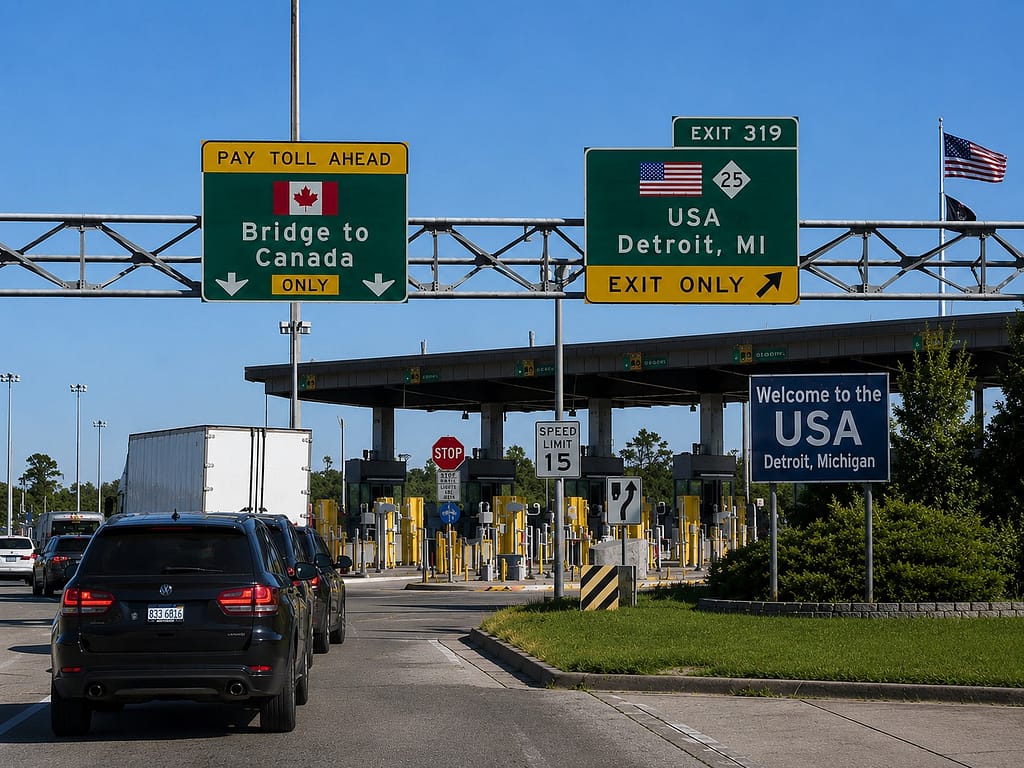
A significant shift is on the horizon for the Canada-U.S. border, one that will impact millions of Canadian travelers. Starting as early as next month, every Canadian entering—or leaving—the United States could have their photo taken at the border under a sweeping new security measure.
The U.S. Department of Homeland Security (DHS) has just approved a rule that does away with prior exceptions to biometric data collection. Set to take effect December 26, the new policy means all non-U.S. citizens—Canadians included, along with children under 14 and seniors over 79 may need to be photographed by U.S. customs officials each time they cross the border.
Beyond photographs, the rule also gives DHS the green light to collect other biometric information, such as fingerprints, iris scans, voice recordings, and even DNA samples. The timing is particularly notable since the policy launches right after Christmas, coinciding with one of the year’s heaviest travel seasons when millions of Canadians head south.
How Biometrics Work at the U.S. Border
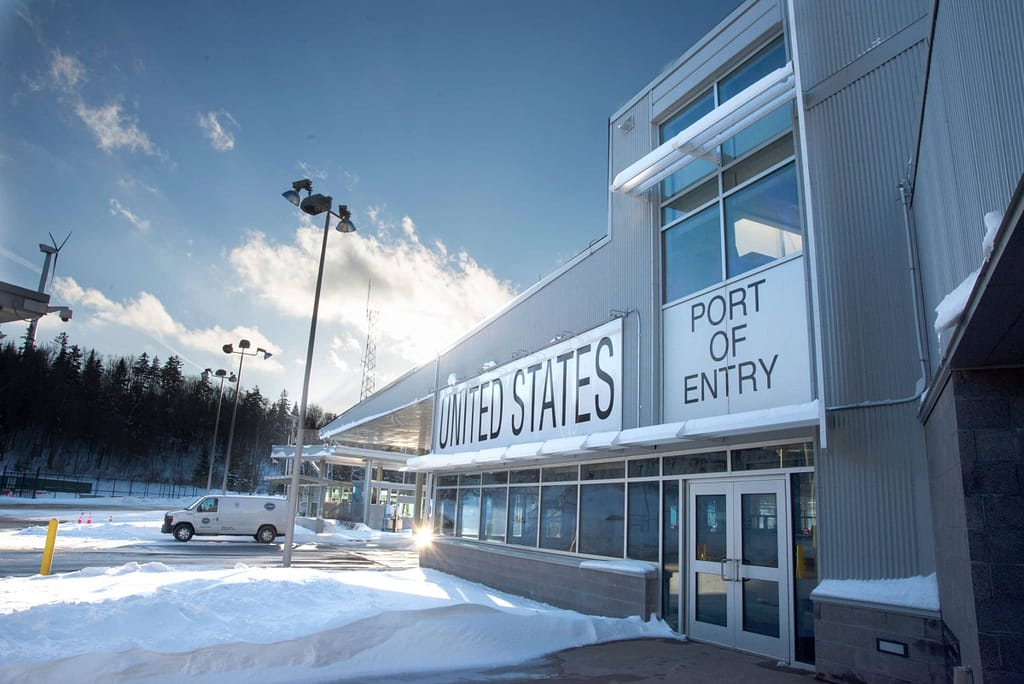
The system relies on facial recognition technology to verify that travelers are who they say they are and that their travel documents genuinely belong to them. According to DHS, the program aims to strengthen identity checks, crack down on visa overstays, and prevent passport fraud at all U.S. entry and exit points—whether that’s airports, seaports, or land crossings.
Right now, customs officials already photograph most non-U.S. citizens entering the country, though young children and elderly adults have been exempt—and there hasn’t been a consistent way to track departures.
The new rules change that. Travelers of any age may be photographed both coming and going, allowing border agents to confirm people actually left when they were supposed to instead of overstaying illegally.
DHS says this is part of a wider congressional directive to build a complete biometric entry-exit system. Since 2018, U.S. Customs and Border Protection has caught more than 2,000 individuals trying to enter the country using real passports that belonged to someone else. “The most effective way to stop passport fraud is to use the digital photos embedded in e-passports to confirm biometrically that the person presenting a document is actually the legitimate holder,” the new regulations explain.
The technology works by matching real-time photos of travelers against government records, including images from past border crossings, passport applications, and visa files.
Your Photos Will Be Kept for Decades
Under this rule, photos and biometric data from non-immigrant visitors will be retained for 75 years. The agency justifies this long storage period as essential for maintaining records of individuals connected to immigration, border security, or law enforcement matters. These images are housed in CBP’s Traveler Verification Service (TVS), which maintains “galleries” of facial photos. These collections can include pictures from previous crossings, passport and visa applications, and other interactions with U.S. government agencies.
When you arrive at or leave a U.S. port of entry, the system checks your live photo against this stored collection to confirm your identity.
During the public comment period, many people voiced worries about data security and the potential for breaches. DHS acknowledged these concerns but explained it can’t simply delete biometric data while keeping entry-exit records—federal law requires the agency to maintain the complete biometric database.
The agency insists it uses encryption and tight access restrictions to safeguard the information, limiting access to authorized personnel only. For U.S. citizens who choose to participate in the photo process, CBP says it deletes their images within 12 hours of verifying citizenship. However, for everyone else—including Canadians—the photos become part of a permanent government archive.
What This Means for Your Next Trip South
U.S. citizens can still decline to be photographed, though you’ll need to ask a CBP officer or gate agent for an alternative screening method. For non-citizens like Canadians, refusing the photo requirement could lead to being deemed inadmissible or in breach of your immigration status. With the December 26 start date, CBP will have legal backing to photograph all travelers in both directions, regardless of age, before year’s end. That said, rolling this out across every border crossing will take some time.
The rule indicates CBP expects full implementation of the biometric entry-exit system at all commercial airports and seaports will take three to five years. The agency is still figuring out the best approach for land borders, especially for travelers in vehicles.
For Canadians planning holiday trips to the U.S., the takeaway is straightforward: expect to have your photo taken at the border if asked. While the change won’t happen overnight at every crossing, refusing could mean being turned away or breaking U.S. law—so it’s wise to treat this as standard procedure for all future visits.